
Vienna Itinerary: Plan Your Perfect Vienna Trip
Powered by ITINE
Get this guide as a tappable itinerary
Day-by-day plan, audio tours, and one-tap Google Maps — completely free.
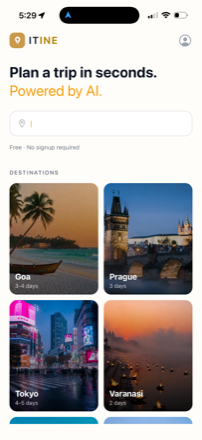
Destinations
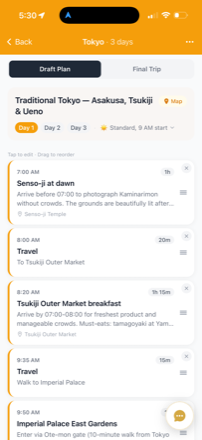
Your Itinerary
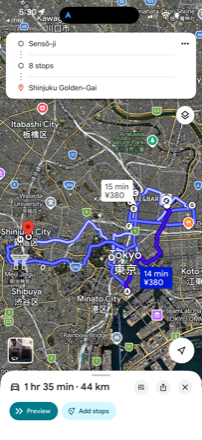
Google Maps
3
Itineraries
10+
Attractions
3+
Day Trips
50+
Coffeehouses
Choose Your Vienna Adventure
Whether you have one day or a long weekend, we've crafted the perfect itinerary for every type of traveler.
1-Day Vienna Itinerary
Walk the imperial First District, climb the Stephansdom tower, tour the Hofburg Palace, enjoy Sachertorte at a legendary coffeehouse, stroll the Ringstrasse, and attend an evening classical concert. Perfect for layovers or quick visits.
View Itinerary2-Day Vienna Itinerary
First District highlights on day one, then Schönbrunn Palace, Naschmarkt, and the Belvedere on day two. The ideal balance of imperial heritage, world-class art, coffeehouse culture, and Heuriger wine taverns.
View Itinerary3-Day Vienna Itinerary
The complete Vienna experience with a day trip to the Wachau Valley wine region, deep dives into the MuseumsQuartier, all the great palaces, classical concerts, and every hidden coffeehouse gem.
View ItineraryVienna Travel Guides
Everything you need to plan the perfect trip to Vienna, from food and transport to budgets and accommodation.
Food Guide
Wiener Schnitzel, Sachertorte, Tafelspitz, Naschmarkt, and 30+ must-try restaurants and Beisl taverns.
Read GuideDay Trips
Wachau Valley, Salzburg, Bratislava, and more excursions from Vienna by train or boat.
Read GuideBest Time to Visit
Month-by-month weather, concert season, Christmas markets, and seasonal tips.
Read GuideBudget Guide
Detailed cost breakdowns in EUR for budget, mid-range, and luxury travelers.
Read GuideWhere to Stay
Best districts for every traveler: Innere Stadt, Leopoldstadt, Neubau, and Wieden.
Read GuideTransport Guide
U-Bahn, trams, Vienna City Card, airport transfers, and getting around the city.
Read GuideIconic Vienna Attractions
Vienna is home to imperial palaces, Gothic cathedrals, and world-class museums. Here are the three you should not miss on your first visit.
Schönbrunn Palace
Must-SeeThe magnificent 1,441-room Habsburg summer palace and UNESCO World Heritage Site is Vienna’s most visited attraction. Explore the opulent Imperial and Grand Tour state rooms, stroll through the stunning Baroque gardens with the Gloriette hilltop arcade, visit the world’s oldest zoo (founded 1752), and discover the Neptune Fountain and Roman Ruins folly. A masterpiece of Baroque architecture that rivals Versailles.
Attraction GuideStephansdom
IconicVienna’s iconic Gothic cathedral has dominated the city skyline since the 14th century. The soaring 137-meter South Tower offers breathtaking panoramic views after a 343-step climb. Below ground, the eerie catacombs hold the remains of thousands of Viennese and Habsburg organs in copper urns. The stunning mosaic roof with 230,000 glazed tiles depicting the Habsburg double-headed eagle is visible across the city.
Attraction GuideHofburg Palace
HistoricThe immense Habsburg winter residence and seat of power for over 600 years sprawls across the heart of Vienna. The complex houses the Imperial Apartments, the legendary Sisi Museum dedicated to Empress Elisabeth, the dazzling Imperial Silver Collection, the Spanish Riding School with its Lipizzaner stallions, and the Austrian National Library’s breathtaking Prunksaal — one of the most beautiful library halls in the world.
Attraction GuideWhy Visit Vienna?
Austria's capital offers an extraordinary blend of imperial grandeur, UNESCO-listed coffeehouse culture, legendary classical music, and a culinary scene that stretches from Michelin-starred restaurants to cozy Beisl taverns.
Imperial Heritage
For over 600 years, Vienna was the seat of the Habsburg Empire, one of Europe's most powerful dynasties. This legacy lives on in magnificent palaces like Schönbrunn and the Hofburg, the ornate Ringstrasse boulevard lined with grand 19th-century buildings, and the Gothic splendor of Stephansdom. The city's historic center is a UNESCO World Heritage Site, and every cobblestone street reveals layers of imperial history stretching from the Holy Roman Empire to the Austro-Hungarian monarchy.
Coffeehouse Culture
Vienna's coffeehouse tradition is inscribed on the UNESCO Intangible Cultural Heritage list, and for good reason. Since the 17th century, the Viennese Kaffeehaus has been a living room for intellectuals, artists, and everyday citizens alike. From the grand chandeliers of Café Central where Trotsky played chess, to the marble tables of Café Sacher where the legendary Sachertorte was born, these coffeehouses are temples of civilized leisure where a single Melange earns you hours of people-watching and newspaper reading.
Classical Music
Vienna is the undisputed capital of classical music. Mozart, Beethoven, Schubert, Strauss, Brahms, Mahler, and Haydn all lived and composed here. The Vienna State Opera, Musikverein (home of the Vienna Philharmonic's legendary New Year's Concert), and Konzerthaus host world-class performances every night. Standing room tickets at the State Opera start from just €4, making the greatest music in the world accessible to every traveler. From intimate chamber concerts in Baroque palaces to grand symphonies, music permeates every corner of this city.
Culinary Excellence
Vienna's food scene is a rich tapestry of imperial tradition and modern innovation. The legendary Wiener Schnitzel — a golden, perfectly breaded veal cutlet — is an art form here. Tafelspitz (boiled beef with apple horseradish) was Emperor Franz Joseph's favorite dish. The Naschmarkt overflows with international flavors across 120+ stalls. Traditional Beisl taverns serve hearty Austrian comfort food, while Heuriger wine taverns in the hillside vineyards of Grinzing offer local wine and cold buffets with panoramic views. And then there are the pastries — Sachertorte, Apfelstrudel, Kaiserschmarrn — each a masterpiece.
Get Your Free Travel Guide
PDF download + weekly travel tips
Join our community and get a comprehensive travel guide with maps, budgets, and insider tips delivered to your inbox.
Unsubscribe anytime. No spam, we promise.
Frequently Asked Questions About Vienna
Ready to Explore Vienna?
Start planning your Vienna adventure with our most popular itinerary, trusted by thousands of travelers.