
Vienna Itinerary Guide
Find the perfect trip plan for Austria's imperial capital, from quick getaways to a complete three-day exploration
Powered by ITINE
Get this guide as a tappable itinerary
Day-by-day plan, audio tours, and one-tap Google Maps — completely free.
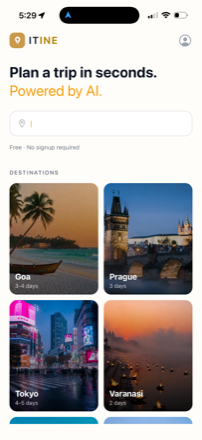
Destinations
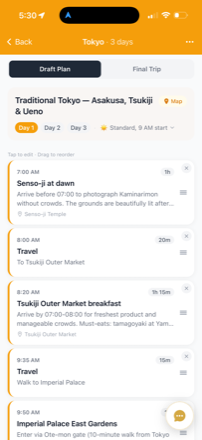
Your Itinerary
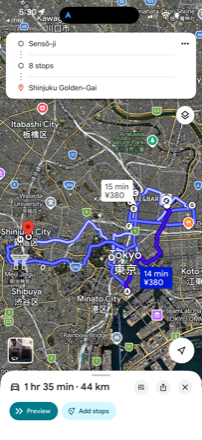
Google Maps
Planning a trip to Vienna? You've come to the right place. Whether you have just one day or a long weekend, our detailed itineraries will help you experience the best of Austria's magnificent imperial capital.
Vienna is a city where imperial grandeur meets modern sophistication. The Habsburg dynasty ruled from here for over 600 years, leaving behind magnificent palaces like Schönbrunn and the Hofburg, the soaring Gothic Stephansdom, and the grand Ringstrasse boulevard. The city's coffeehouse culture is UNESCO-listed, its classical music heritage is unmatched — Mozart, Beethoven, and Strauss all called Vienna home — and its culinary scene ranges from legendary Wiener Schnitzel to world-famous Sachertorte.
Our itineraries are crafted from firsthand experience. Each plan includes must-visit attractions, the best coffeehouse stops, budget breakdowns in EUR, transport tips, and insider recommendations to make your Vienna trip unforgettable. Before you dive in, review our essential travel tips for practical customs and local know-how that will smooth your visit. Most visitors find that a 2-day itinerary hits the sweet spot, while a full 3-day itinerary lets you add a day trip and explore beyond the city centre.
Choose Your Itinerary
1-Day Vienna Itinerary
Cover the essential highlights in a single imperial day. Stephansdom tower climb and First District in the morning, Hofburg Imperial Apartments and Sisi Museum before lunch, Café Central for Sachertorte, Kunsthistorisches Museum in the afternoon, and an evening classical concert or Ringstrasse walk.
2-Day Vienna Itinerary
A perfect weekend covering the First District landmarks on day one, then Schönbrunn Palace, the Naschmarkt, Belvedere Palace, and a Heuriger wine tavern on day two. The ideal balance of imperial heritage, world-class art, and coffeehouse culture.
3-Day Vienna Itinerary
The full Vienna experience. First District exploration, all the great palaces, a day trip to the Wachau Valley wine region, the MuseumsQuartier, classical concerts, Naschmarkt, and all the hidden coffeehouse gems the city has to offer.
Compare Itineraries
| Feature | 1 Day | 2 DaysPopular | 3 Days |
|---|---|---|---|
| Best For | Layovers, quick visits | Weekend getaways | Complete experience |
| Key Highlights | Stephansdom, Hofburg, Coffeehouse | + Schönbrunn + Belvedere | Everything + Wachau Valley |
| Day Trips | No | No | Wachau Valley or Bratislava |
| Budget per person (EUR) | €50-150 | €100-280 | €150-400 |
Explore Our Vienna Guides
Schönbrunn Palace Guide
1,441-room Habsburg palace, Baroque gardens, Gloriette, and zoo.
Read GuideStephansdom Guide
Gothic cathedral, 137m tower climb, catacombs, and mosaic roof.
Read GuideHofburg Palace Guide
Imperial Apartments, Sisi Museum, Spanish Riding School.
Read GuideBelvedere Palace Guide
Klimt’s The Kiss, Baroque gardens, and Austrian art collection.
Read GuideFood Guide
Wiener Schnitzel, Sachertorte, Naschmarkt, and 30+ must-try spots.
Read GuideBudget Guide
Detailed cost breakdowns and money-saving tips in EUR.
Read GuideFrequently Asked Questions
Get Your Free Travel Guide
PDF download + weekly travel tips
Join our community and get a comprehensive travel guide with maps, budgets, and insider tips delivered to your inbox.
Unsubscribe anytime. No spam, we promise.