
Vienna Travel Tips
15 essential things to know before visiting Vienna — tipping, Sunday closures, Alpine tap water, Vienna Pass, greeting customs, and practical advice
Powered by ITINE
Get this guide as a tappable itinerary
Day-by-day plan, audio tours, and one-tap Google Maps — completely free.
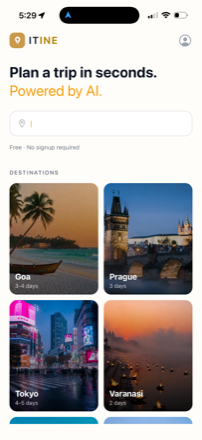
Destinations
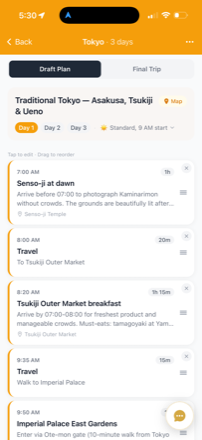
Your Itinerary
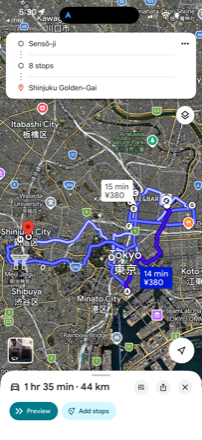
Google Maps
Before you arrive, it helps to understand the practicalities that shape a smooth Vienna trip. Read our transport guide for details on the U-Bahn, trams, and the Vienna Card, browse the food guide for tipping customs and coffeehouse etiquette, check where to stay for the best districts by budget and style, and review the best time to visit to plan around weather and seasonal events. If you are ready to start building your itinerary, our trip planner walks you through the process step by step.
15 Things to Know Before You Visit Vienna
Tipping: 5-10% in Restaurants
Tipping is customary but not as generous as in North America. In restaurants, round up or add 5-10% for good service. In coffeehouses, round up to the nearest euro. For taxis, round up. The tip is given when paying — tell the server the total amount you wish to pay. Saying "Stimmt so" means "keep the change." Do NOT leave tips on the table — it is considered odd in Austria. Hotel porters expect €1-2 per bag.
Sunday Closures: Plan Ahead
Most shops in Vienna are closed on Sundays — this is Austrian law. Supermarkets, boutiques, and department stores will be shut. However, restaurants, coffeehouses, museums, palaces, and attractions remain open. Train stations have shops open on Sundays (Wien Hauptbahnhof has a Billa and other stores). Plan your shopping for Monday-Saturday. The Naschmarkt is closed on Sundays. Bakeries may open for limited morning hours.
Tap Water: Alpine Spring Water
Vienna has some of the world's best tap water — it comes directly from Alpine springs in the Styrian and Lower Austrian mountains via a 120 km pipeline. The water is clean, cold, and delicious. Drink from any tap, refill your bottle at the many public drinking fountains (look for the "Trinkwasser" signs), and save money on bottled water. Restaurants will serve tap water if you ask — say "Leitungswasser, bitte" (tap water, please).
Vienna Pass: Skip the Lines
The Vienna Pass (€79/1 day, €99/2 days, €129/3 days, €154/6 days) provides free entry and skip-the-line access to 70+ attractions including Schönbrunn Palace, the Hofburg, Belvedere, Giant Ferris Wheel, and hop-on-hop-off bus. If you plan to visit 3+ major attractions per day, it saves significant money and time. Available at tourist offices, major attractions, and online. The skip-the-line benefit alone is worth it at Schönbrunn during peak season.
Smoking Rules
Austria banned smoking in all indoor restaurants, bars, and cafes in 2019. Smoking is still permitted in designated outdoor areas, terraces, and open-air sections of some venues. Compared to a decade ago, Vienna is much less smoky, but you may still encounter smoking outdoors. Non-smoking coffeehouses and restaurants are the norm now. If smoke bothers you, choose indoor seating or cafes without large outdoor terraces.
Greetings: "Grüß Gott"
The standard greeting in Vienna is "Grüß Gott" (greet God — roughly "GRUESS got") rather than "Hallo." Using "Grüß Gott" when entering shops, restaurants, and coffeehouses earns immediate warmth from locals. "Bitte" (please — "BIT-uh") and "Danke" (thank you — "DANK-uh") are essential. "Auf Wiedersehen" (goodbye) or the more casual "Tschüss" (bye) when leaving. Austrians appreciate politeness — these simple phrases make a real difference.
Coffeehouse Culture: Linger
Vienna's coffeehouse culture is UNESCO-listed. The tradition is to sit for hours with a single coffee, read newspapers (provided by the house), write, think, or simply watch the world pass. There is no rush and no expectation to order more. Order a Wiener Melange (€4-6), choose a newspaper from the rack, and settle in. Waiters may appear aloof — this is tradition, not rudeness. They will never rush you. This is one of Vienna's greatest pleasures.
Vienna's Safest City Ranking
Vienna is consistently ranked the world's safest and most liveable city. The crime rate is extremely low, public spaces are well-maintained and lit, and the city has a strong sense of civic order. Solo travelers, families, and women feel exceptionally safe. The main risk is pickpocketing in tourist hotspots — keep valuables in front pockets or cross-body bags. Emergency: Police 133, Ambulance 144, Fire 122, EU 112.
Dress Code for Opera & Concerts
Vienna takes its cultural institutions seriously. For the State Opera, Musikverein, and formal concerts: smart casual as a minimum (no trainers, shorts, or flip-flops). Standing ticket holders are slightly more casual but should avoid beachwear. For opera premieres and the Ball Season, formal evening wear is expected. For museums, churches, and coffeehouses, regular smart casual is fine. Viennese appreciate well-dressed visitors — it is part of the culture.
Weather: Dress in Layers
Vienna has a continental climate with distinct seasons. Summer (Jun-Aug) is warm to hot (25-35°C) — pack light clothing and sunscreen. Autumn (Sep-Nov) brings mild days and cool evenings — layers are essential. Winter (Dec-Feb) is cold (0 to -5°C) with occasional snow — bring a warm coat, scarf, and gloves. Spring (Mar-May) is variable — layers and a light jacket are wise. Air conditioning is less common than in warmer countries — carry a water bottle in summer.
Public Transport Fines: €105
Vienna operates an honour system for public transport — no ticket barriers. You must validate your ticket at the blue machines before boarding. Plain-clothes inspectors check regularly and the fine for traveling without a valid ticket is €105, payable on the spot. The Vienna Card is pre-validated. Single tickets must be stamped. Weekly and monthly passes need registration. "I didn't know" is not accepted as an excuse.
Museums: Under 19s Free
Most major Vienna museums offer free entry for visitors under 19. This includes the Kunsthistorisches Museum, Naturhistorisches Museum, Belvedere, Technisches Museum, and more. Bring ID or passport as proof of age. On the first Sunday of each month, several state museums offer free entry for all. Combined with the Vienna Card discounts, museum-hopping in Vienna is surprisingly affordable.
Naschmarkt: Arrive Early
Vienna's famous Naschmarkt stretches 1.5 km along the Wienzeile. The best experience is early morning (8-10 AM) before tourist crowds arrive. Browse olive oils, cheeses, spices, fresh produce, and international food stalls. The Saturday flea market at the western end is excellent for antiques and curiosities. Many stalls offer free samples. Cash is preferred at smaller stalls. Closed on Sundays. Metro: U4 Kettenbrückengasse.
WienMobil App: Essential
Download the WienMobil app before arriving. It shows real-time U-Bahn, tram, and bus departures, plans routes, and lets you buy tickets directly. It also shows CitiBike station availability and taxi booking options. The app works offline for route planning. Available for iOS and Android. The single most useful app for navigating Vienna — eliminates the need for paper maps or asking directions.
Day Trip to Bratislava: 1 Hour
The Slovak capital is just 1 hour from Vienna by train (€10-15 each way) — one of the easiest and most affordable day trips in Europe. Trains run hourly from Wien Hauptbahnhof. Explore the charming Old Town, climb to the castle for Danube views, and enjoy significantly cheaper restaurants and bars. You can also take a fast boat along the Danube (75 minutes, seasonal). A fascinating excursion that adds variety to your Vienna trip.
Different travel styles call for different advice. If you are watching your spending, our Vienna budget guide breaks down daily costs and money-saving tricks. Traveling alone? The solo travel guide covers safety, socialising, and the best neighbourhoods for independent explorers. Families with children will find age-appropriate attractions and practical logistics in our Vienna for families page. And if you are weighing up nearby capitals, our comparisons of Vienna vs Budapest and Vienna vs Prague will help you decide where to go next.
Quick Reference
Vienna Travel Tips FAQs
Get Your Free Travel Guide
PDF download + weekly travel tips
Join our community and get a comprehensive travel guide with maps, budgets, and insider tips delivered to your inbox.
Unsubscribe anytime. No spam, we promise.