
Vienna Food Guide
Wiener Schnitzel, Sachertorte, Apfelstrudel, coffeehouses, and beyond — the definitive guide to eating in Austria's culinary capital
Powered by ITINE
Get this guide as a tappable itinerary
Day-by-day plan, audio tours, and one-tap Google Maps — completely free.
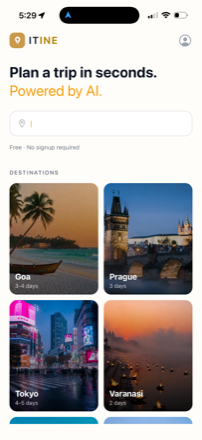
Destinations
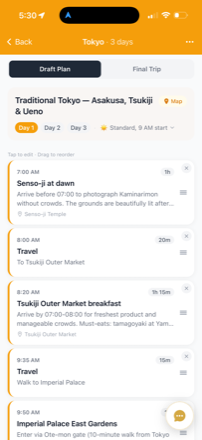
Your Itinerary
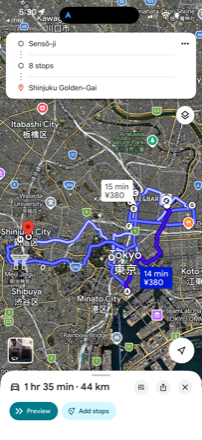
Google Maps
Vienna is a city that takes eating seriously — not in the hushed, reverential way of some gastronomic capitals, but with a warm, generous, deeply traditional approach that connects every meal to centuries of imperial history. The Wiener Schnitzel that hangs over the edge of your plate at Figlmuller has been made to the same recipe since 1905. The Sachertorte at Hotel Sacher follows a secret formula from 1832. The coffeehouses where you linger over a melange and Apfelstrudel have been Vienna's living rooms since the 18th century. And the Heurigen wine taverns in the vineyard villages on the city's edge serve the current vintage exactly as they have for generations. Viennese food is comfort food elevated to art — hearty, satisfying, and inseparable from the city's identity. This guide covers the essential dishes, the legendary venues, the best neighborhoods for eating, and the tips you need to eat like a Viennese local.
Many of the best food experiences connect to Vienna's iconic landmarks — the Apfelstrudel demonstrations at Schoenbrunn Palace, the global flavours of the Naschmarkt, and the traditional Beisl tucked into the side streets of the Innere Stadt. Our transport guide explains the easiest ways to reach each food neighbourhood by U-Bahn and tram. Eating well does not have to break the bank — our budget guide shows how to enjoy Viennese cuisine on €15-25 a day. For a romantic culinary evening, couples should browse our Vienna for couples page for candlelit restaurant and wine bar picks.
8 Must-Try Vienna Foods
These are the dishes that define Viennese cuisine. Do not leave the city without trying them.
Wiener Schnitzel
The dish that defines Viennese cuisine — a large, thin cutlet of veal, pounded to uniform thinness, coated in flour, egg, and breadcrumbs, and fried in clarified butter until the coating puffs into a golden, wavy crust that separates slightly from the meat. An authentic Wiener Schnitzel is always veal (Kalb) — pork versions exist but are properly called "Schnitzel Wiener Art." The secret is in the technique: the breadcrumb coating should be loose and airy, not compressed, creating a distinctive crunch that contrasts with the tender, juicy meat inside. Served with a wedge of lemon, a side of potato salad (Erdapfelsalat) or parsley potatoes, and traditionally no sauce — the Schnitzel speaks for itself. Figlmuller on Backerstrasse has served what many consider Vienna's definitive Schnitzel since 1905, with portions famously larger than the plate.
Sachertorte
Vienna's most famous cake — a dense, rich chocolate sponge layered with apricot jam and coated in a smooth, dark chocolate glaze. Created in 1832 by 16-year-old Franz Sacher for Prince Metternich, the Original Sachertorte has been made to the same secret recipe at the Hotel Sacher ever since. The cake is denser and less sweet than many expect — the slight tartness of the apricot jam cuts through the chocolate richness, and the accompanying dollop of unsweetened whipped cream (Schlagobers) balances the flavors perfectly. A famous legal dispute between Hotel Sacher and Demel over the right to the "Original" recipe ran for years, and both establishments still serve competing versions. Sacher's has the jam in the middle; Demel's has it only under the glaze. Both are excellent, and trying both to compare is a delicious obligation.
Apfelstrudel
The quintessential Viennese pastry — layers of paper-thin, hand-pulled strudel dough wrapped around a filling of sliced apples, raisins, cinnamon, breadcrumbs toasted in butter, and sometimes walnuts. The art is in the dough, which should be stretched so thin you can read a newspaper through it (the legendary "Strudel test"). Baked until golden and served warm, often with vanilla sauce (Vanillesauce) or a dusting of powdered sugar, a great Apfelstrudel balances crispy outer layers with a soft, fragrant interior. The Schonbrunn Palace bakery offers live Apfelstrudel-making demonstrations where you can watch the dough being pulled by hand — both educational and delicious.
Tafelspitz
The dish that Emperor Franz Joseph ate almost every day — a prime cut of beef (traditionally the triangular "Tafelspitz" cut from the rump) slowly simmered in broth with root vegetables and spices until the meat is meltingly tender. Served in its cooking broth with bone marrow on toast, roasted potatoes, creamed spinach, apple-horseradish sauce (Apfelkren), and chive sauce (Schnittlauchsauce). Tafelspitz is hearty, elegant, and deeply satisfying — a dish that connects modern diners to the Habsburg imperial table. Plachutta, which has built its entire restaurant around the dish, serves it in the copper pot it was cooked in and is considered the definitive destination for Tafelspitz in Vienna.
Kaiserschmarrn
A shredded, caramelized pancake that is one of Vienna's most beloved desserts — and the name literally means "Emperor's Mess." The story goes that it was created for Emperor Franz Joseph I, whose cook accidentally tore a pancake and tried to salvage it by caramelizing the pieces in butter and sugar. The result was so good it became a court favorite. Kaiserschmarrn is made from a fluffy, rum-and-raisin-studded batter, cooked until golden, torn into irregular pieces, dusted with powdered sugar, and served with Zwetschkenroster (warm plum compote). The texture should be crispy on the outside and soft within, and the caramelized edges are the best part. Many Viennese order it as a main course rather than dessert.
Viennese Coffee (Melange)
Viennese coffeehouse culture is UNESCO-recognized, and the melange is the signature order — espresso topped with steamed milk foam, similar to a cappuccino but with a distinctive Viennese character. The coffee menu extends far beyond: a Brauner (espresso with a small jug of cream), Einspanner (strong coffee topped with whipped cream in a glass), Kapuziner (coffee with a small amount of cream), and many more. The ritual is as important as the drink — a melange is served on a silver tray with a glass of water, and you are expected to linger. The coffeehouse is Vienna's living room, a place to read newspapers, meet friends, work, or simply sit with your thoughts for as long as you wish. Never rush a Viennese coffee.
Wurstel (Sausages)
The Wurstelstand (sausage stand) is Vienna's street food institution — small, often octagonal kiosks found throughout the city, serving hot sausages day and night. The essential varieties: Kasekrainer (cheese-filled sausage that bursts with melted cheese when bitten), Burenwurst (a boiled pork sausage), Frankfurter (the classic Wiener Wurstchen), and Bratwurst (grilled sausage). Served with a Semmel (bread roll) or on a paper plate with mustard (scharfer Senf for spicy, susser Senf for sweet) and a Pfefferoni (pickled chili pepper). Bitzinger, at the back of the State Opera, is the most famous Wurstelstand in Vienna — the surreal sight of opera-goers in evening dress eating sausages from a street stand is quintessentially Viennese.
Palatschinken
Thin, crepe-like pancakes filled with apricot jam (Marillenmarmelade), Nutella, curd cheese (Topfen), or ice cream, rolled or folded and dusted with powdered sugar. Palatschinken are lighter and thinner than French crepes, and the apricot jam version — using Austria's beloved Wachau apricots — is the most traditional. They appear on nearly every coffeehouse and Beisl menu as a dessert, though many Viennese happily eat them as a light main course. The name comes from the Hungarian "palacsinta," reflecting the Austro-Hungarian Empire's culinary cross-pollination.
5 Best Food Areas
These neighborhoods and markets are Vienna's greatest food destinations.
Naschmarkt
Wienzeile, 4th/6th DistrictsVienna's most famous market stretches 1.5 km with over 120 stalls selling global cuisine — Turkish, Middle Eastern, Asian, Italian, and Austrian. The restaurant terraces are packed for weekend brunch. The Saturday flea market adds vintage shopping to the food experience. This is Vienna's most vibrant food destination.
Innere Stadt Beisl District
Side streets off Graben/Karntner StrasseThe side streets of the 1st District — particularly around Backerstrasse, Blutgasse, Wollzeile, and Fleischmarkt — hide traditional Beisl (Viennese bistro-pubs) serving hearty local food at prices far below the tourist restaurants on the main streets. These are where Viennese office workers eat lunch and locals gather for after-work drinks and Schnitzel.
Grinzing (Heurigen Wine Taverns)
19th District (Dobling)The village of Grinzing on Vienna's northwestern edge is the most famous Heurigen district — where wine taverns serve the current vintage of locally grown wine alongside cold buffets of Austrian meats, cheeses, and spreads. Heurigen are identified by a pine branch (Buschen) hung above the door, signaling that new wine is available. The atmosphere is rustic and convivial, with garden seating under chestnut trees and views over the vineyards to the city below. Take tram 38 from Schottentor to the end of the line.
Karmelitermarkt
Leopoldstadt (2nd District)A smaller, more local alternative to the Naschmarkt. The Karmelitermarkt in the 2nd District has excellent produce stalls, artisan food vendors, and a growing collection of food-focused restaurants and cafes around its perimeter. The Saturday market is particularly good, with a neighborly atmosphere that the larger Naschmarkt sometimes lacks.
Spittelberg Quarter
Neubau (7th District)The charming Biedermeier lanes behind the MuseumsQuartier have become one of Vienna's most enjoyable dining neighborhoods. Small restaurants, wine bars, and cafes occupy the ground floors of beautifully restored 18th-century buildings. The Spittelberg Christmas market is one of Vienna's best, but the quarter is equally appealing year-round for an evening meal in atmospheric surroundings.
Legendary Coffeehouses
Vienna's coffeehouse culture is UNESCO-recognized — these institutions are where the tradition lives on.
Cafe Central
Herrengasse 14 (1st District)The most famous coffeehouse in Vienna, housed in a magnificent Palais Ferstel with soaring vaulted ceilings. Where Trotsky played chess, Freud debated, and Peter Altenberg made his permanent home. Grand, iconic, and inevitably touristy, but the architecture and pastries justify the visit.
Cafe Sacher
Philharmoniker Str. 4 (1st District)The home of the Original Sachertorte. Plush red velvet, crystal chandeliers, and the most famous chocolate cake in the world. Expect a queue on weekends but the experience — and the Sachertorte with Schlagobers — is worth the wait.
Demel
Kohlmarkt 14 (1st District)The imperial confectioner since 1786. Elaborate handcrafted window displays, gilded interiors, and the rival Sachertorte. The waitresses address you in the third person — an endearing anachronism of Habsburg formality. The pastry selection is extraordinary.
Cafe Sperl
Gumpendorfer Str. 11 (6th District)The coffeehouse that many Viennese consider the most authentic and atmospheric in the city. Unchanged since 1880 — billiard tables, newspaper racks, worn velvet booths, and a clientele that includes artists, writers, and neighborhood regulars. Less touristy than Cafe Central, more genuine, and the Sperl Torte (a chocolate-nut creation) is the house specialty.
Cafe Hawelka
Dorotheergasse 6 (1st District)The bohemian coffeehouse where Vienna's postwar artists and writers gathered. Dark, atmospheric, and authentically worn. The Buchteln (sweet filled buns) are baked fresh from Frau Hawelka's recipe and served warm from the oven every evening from around 10 PM. A living piece of Viennese cultural history.
Wurstelstand Culture
Vienna's iconic sausage stands — street food with imperial pedigree.
Bitzinger Wurstelstand
Behind the Vienna State Opera
The most famous sausage stand in Vienna, famous as much for its clientele as its sausages. After opera and ballet performances, the Bitzinger stand fills with audience members in evening dress eating Kasekrainer and drinking beer or champagne — a gloriously egalitarian Viennese tradition. The sausages are excellent and the people-watching is unbeatable.
LEO
Multiple locations across Vienna
A small chain of modern Wurstelstands that has elevated the street sausage experience. LEO sources premium sausages from Austrian producers and offers a wider variety than traditional stands, including organic and specialty options. The Leopoldstadt location near the Prater is particularly popular.
Eating Tips
Understand the Beisl
A Beisl (pronounced "bye-zl") is Vienna's version of a neighborhood pub-restaurant — unpretentious, affordable, and serving traditional Viennese food. Every district has its Beisl, and they are almost always better value and more authentic than restaurants on tourist-heavy streets. Look for handwritten daily specials (Tagesmenü) for the best deals — a two-course lunch at a Beisl typically costs €8-12.
The Sachertorte Debate
Hotel Sacher and Demel both claim the "original" Sachertorte. The difference: Sacher places apricot jam between the cake layers AND under the glaze; Demel places it only under the glaze. Try both and decide for yourself — it is one of Vienna's most delicious arguments.
Tip at 5-10%
Tipping in Vienna is customary but modest. Round up the bill or add 5-10% for good service. When paying, tell the waiter the total amount you want to pay (including tip) rather than leaving money on the table. Say "Stimmt so" (that's correct / keep the change) when the amount is right.
Heurigen Are a Full Evening
A visit to a Heurigen wine tavern in Grinzing or Neustift am Walde is a wonderful evening, but plan properly. Take public transport (tram 38 to Grinzing, bus 35A to Neustift). Arrive by 5-6 PM in summer for garden seating. Order from the cold buffet and drink the house wine. Allow 2-3 hours. Return by public transport — the wine flows freely.
Water Is Not Free
Unlike some countries, tap water is not automatically free in Austrian restaurants. You can ask for "Leitungswasser" (tap water), but ordering mineral water (still: "ohne Gas," sparkling: "mit Gas") is the norm and expected. A small bottle typically costs €2-4. In coffeehouses, a glass of water is traditionally served alongside your coffee at no extra charge.
Explore Beyond Schnitzel
Viennese cuisine extends far beyond Schnitzel and Sachertorte. Try Zwiebelrostbraten (roast beef with fried onions), Backhendl (fried chicken, the original Austrian version), Rindsgulasch (beef goulash with Hungarian influence), and Topfenstrudel (curd cheese strudel). The Habsburg Empire brought influences from Hungary, Bohemia, and Italy that make Viennese food more diverse than it first appears.
Hungry for More?
Combine your food exploration with the best of Vienna. Our itineraries include the top food stops alongside palace visits, museum tours, and day trips.
Frequently Asked Questions
Get Your Free Travel Guide
PDF download + weekly travel tips
Join our community and get a comprehensive travel guide with maps, budgets, and insider tips delivered to your inbox.
Unsubscribe anytime. No spam, we promise.