
Vienna in December
World-famous Christmas markets, Advent concerts, Gluehwein, and the festive magic of the Habsburg capital in winter
Powered by ITINE
Get this guide as a tappable itinerary
Day-by-day plan, audio tours, and one-tap Google Maps — completely free.
Destinations
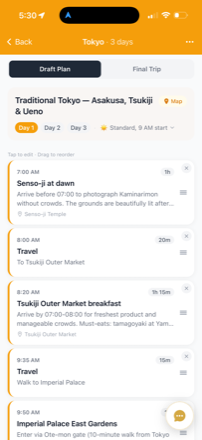
Your Itinerary
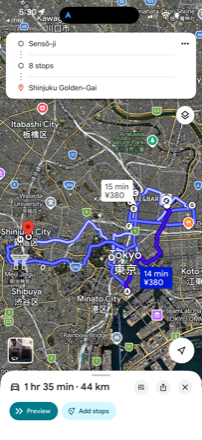
Google Maps
December in Vienna is nothing short of magical. The city that gave the world "Silent Night" transforms into a winter wonderland of Christmas markets, Advent concerts, and festive lights that illuminate the imperial architecture. From the grand Rathausplatz Christkindlmarkt in front of City Hall to the intimate artisan stalls of Spittelberg, Vienna's Christmas markets are among the finest in the world. The air fills with the scent of Gluehwein (mulled wine), Punsch, and roasted chestnuts as the city embraces its favourite season.
With temperatures averaging 0-4°C and the possibility of snow dusting Schoenbrunn Palace and Stephansdom, December Vienna is a feast for the senses. The cultural calendar is rich with Advent concerts in baroque churches, performances at the State Opera, and New Year preparations. Yes, it is cold. Yes, the days are short. But wrapped in a warm coat with a mug of Punsch in hand, standing beneath the twinkling lights of a 500-year-old Christmas market tradition, you will understand why December might be Vienna's most beautiful month.
0-4\u00B0C
Temperature
Cold & Dry
Possible Snow
Moderate-High
Crowd Level
Moderate-High
Price Level
December Weather in Vienna
What to Expect
- Daytime highs: 2-4°C on average, occasionally reaching 6-8°C on milder days. Nighttime temperatures often drop below zero. This is genuine winter — the kind that makes coffeehouses, concert halls, and the warm glow of Christmas markets deeply appealing.
- Precipitation: December is relatively dry by Vienna standards. Rain and snow are possible but extended all-day downpours are uncommon. Snow falls on average 5-10 days during the month, though it may not settle for long in the city centre. Grey overcast skies are common, but clear crisp days also occur and are spectacular for photography.
- Daylight hours: Sunrise around 7:30 AM, sunset around 4:00 PM — only about 8.5 hours of daylight. This means the Christmas market lights and festive illuminations are visible from late afternoon, adding to the atmosphere. Plan indoor activities (museums, coffeehouses) for mornings and markets for atmospheric late afternoons and evenings.
What to Wear
- Warm winter coat: Essential. A knee-length down coat or heavy wool coat is ideal. You will be standing outdoors at Christmas markets for extended periods — prioritise warmth over fashion. A coat that blocks wind is particularly important.
- Layers: Thermal base layers, a warm sweater or fleece, and your outer coat. Indoor venues (museums, coffeehouses, restaurants) are well-heated, so you need to be able to shed layers. A scarf, warm hat, and insulated gloves are non-negotiable.
- Waterproof boots: Warm, waterproof boots with good grip are essential. Cobblestone streets can be slippery when wet or icy. Avoid leather-soled dress shoes. Insulated walking boots or waterproof winter boots are ideal.
- Hand warmers: Disposable hand warmers (available at pharmacies and outdoor shops) are a small luxury that makes evening market visits much more comfortable. Tuck them into your gloves or pockets.
Vienna's Christmas Markets
Rathausplatz Christkindlmarkt
Vienna's largest and most famous Christmas market fills the grand square in front of City Hall with over 150 stalls. A massive illuminated Christmas tree towers above the market, and the neo-Gothic Rathaus facade is lit with spectacular projections. Stalls sell traditional ornaments, handcrafted gifts, Gluehwein, Punsch, and Austrian Christmas foods including Lebkuchen (gingerbread), Kartoffelpuffer (potato pancakes), and Bratwurst. An ice rink and children's area make this a family favourite. Open mid-November to late December.
Schoenbrunn Palace Christmas Market
Set in the courtyard of the magnificent Schoenbrunn Palace, this market combines imperial grandeur with Christmas magic. The illuminated palace facade creates a stunning backdrop as you browse stalls selling artisan crafts, traditional Austrian Christmas decorations, and handmade gifts. The Gluehwein here is excellent, and the Schoenbrunn Christmas tree is beautifully decorated. Less crowded than Rathausplatz on weekday evenings. Combine with a palace tour for the full imperial Christmas experience.
Belvedere Palace Christmas Market
The Christmas market in front of the Upper Belvedere Palace — home to Klimt's The Kiss — is one of Vienna's most photogenic. The baroque palace illuminated behind the market creates an extraordinary backdrop for photos. Stalls focus on quality crafts and traditional Austrian products. This market tends to be slightly less tourist-heavy than Rathausplatz, attracting more locals. The mulled wine selection includes some excellent Austrian wine-based varieties.
Spittelberg Christmas Market
Spittelberg is Vienna's most atmospheric Christmas market — tucked into narrow Biedermeier-era lanes in the 7th district, it feels like stepping into a Dickensian Christmas scene. The small scale and winding streets create an intimate atmosphere that the larger markets cannot match. Stalls specialise in artisan crafts, handmade jewellery, ceramics, and unique gifts. The Punsch here is famously strong. This is the locals' favourite market and the one most likely to feel authentically Viennese rather than touristy.
Freyung Christmas Market
The Altwiener Christkindlmarkt on the Freyung square is one of Vienna's oldest Christmas markets, dating back centuries. It specialises in traditional Austrian Christmas crafts — hand-carved nativity figures, beeswax candles, hand-blown glass ornaments, and traditional wooden toys. The atmosphere is more traditional and less commercial than the larger markets. Excellent for finding authentic Austrian Christmas gifts. Located in the elegant 1st district, it pairs well with nearby coffeehouse visits.
December Events & Celebrations
Advent Concerts
Throughout December, Vienna's magnificent baroque churches host Advent concerts — classical music, choral performances, and organ recitals in stunning architectural settings. St. Stephen's Cathedral, Karlskirche, and the Augustinerkirche are popular venues. The Vienna Boys' Choir (Wiener Saengerknaben) performs Advent and Christmas programmes at the Hofburg Chapel and MuTh concert hall. Tickets range from €15-40 and sell out quickly — book in advance.
Krampus & Nikolaus
On December 5 (Krampusnacht), costumed Krampus figures — the terrifying counterpart to St. Nicholas — roam the streets in a uniquely Austrian tradition. December 6 (Nikolaustag) sees St. Nicholas visiting children with gifts. Krampus runs and parades take place across Vienna and are both thrilling and slightly terrifying. This is one of Austria's most distinctive cultural traditions and a memorable experience if your visit coincides.
Christmas Eve & Christmas Day
In Austria, the main celebration is Christmas Eve (Heiligabend). Many restaurants and shops close by mid-afternoon. Christmas Day and December 26 (Stefanitag) are public holidays with most businesses closed. Hotel restaurants and some high-end establishments remain open — book well in advance. Midnight Mass at St. Stephen's Cathedral is a magnificent experience. Christmas Day concerts at the Musikverein and Konzerthaus are popular — book tickets months ahead.
New Year's Eve (Silvesterpfad)
Vienna's New Year's Eve celebration — the Silvesterpfad (New Year's Trail) — transforms the city centre into a massive open-air party. A walking trail through the 1st district connects stages with live music, DJs, and entertainment. The Rathausplatz hosts the main countdown with fireworks at midnight. The traditional waltz — "The Blue Danube" — plays across the city as the clock strikes twelve. Restaurants offer special Silvester menus (€80-200+ per person). The city buzzes with energy until the early hours.
Top Things to Do in December
Christmas Market Tour
Visit multiple Christmas markets in one evening — start at Rathausplatz for the spectacle, walk to Freyung for traditional crafts, and end at Spittelberg for the most atmospheric experience. Each market has its own character and speciality Punsch. Collect the unique ceramic mugs from each market as souvenirs (you pay a €2-3 deposit which is refunded when you return the mug, or keep it as a memento). Allow 2-3 evenings to properly experience Vienna's markets.
Vienna State Opera
December is prime opera season at the Wiener Staatsoper. The programme features world-class productions with top international singers. Standing-room tickets cost just €4-15 and go on sale 80 minutes before each performance — queue at the standing-room entrance (Stehplatzeingang) on Operngasse. For a more comfortable experience, book seated tickets in advance (€40-250). The December programme often includes festive performances and special gala events.
Coffeehouse Culture
December is the perfect month for Vienna's UNESCO-listed coffeehouse culture. Step in from the cold into a marble-floored cafe, order a melange (Viennese cappuccino) and a slice of Sachertorte, and watch the winter world go by. Cafe Central, Cafe Sperl, and Cafe Hawelka are legendary. The Christmas season adds special festive pastries to the already extraordinary cake displays. A long, leisurely coffeehouse visit is one of Vienna's greatest pleasures — especially on a cold December afternoon.
Museum Day
Cold December days are perfect for Vienna's world-class museums. The Kunsthistorisches Museum (art history), Belvedere (Klimt's The Kiss), Albertina (modern art), and the MuseumsQuartier complex offer hours of warm, enriching exploration. December crowds at museums are lower than summer — you can enjoy masterpieces without the queues. The Vienna City Card (€17-25) offers discounts on museum entries and unlimited public transport.
Schoenbrunn Palace
Schoenbrunn Palace is magnificent in December — the Christmas market in its courtyard, the illuminated palace facade, and the possibility of snow on the grounds make it one of Vienna's most photogenic winter scenes. Tour the imperial apartments (Grand Tour €24), walk the grounds (free), and browse the Christmas market. The Gloriette viewpoint offers panoramic city views even in winter. Arrive in the late afternoon to see the palace transition from daylight to illuminated splendour.
Ice Skating
The Rathausplatz ice rink opens in late January, but the Wiener Eistraum (Vienna Ice Dream) often has pre-season skating in late December. Other rinks include the Engelmann open-air ice rink and smaller rinks at some Christmas markets. For an unforgettable experience, check if the Schoenbrunn ice rink is operating during your visit. Ice skating under festive lights with imperial architecture as your backdrop is quintessentially Viennese winter magic.
December Price Guide
Accommodation
- Budget hotels/hostels: €50-80/night
- Mid-range hotels: €100-170/night
- Boutique hotels (1st district): €150-250/night
- Luxury hotels (Sacher, Imperial): €300-600+/night
- Book 6-8 weeks ahead for Christmas/New Year stays — prices peak Dec 20-Jan 2
Activities & Dining
- Gluehwein at Christmas market: €4-5 per mug + €2-3 deposit
- Christmas market food: €5-12 per item
- Coffeehouse (melange + cake): €8-12
- Restaurant dinner: €15-30 per person
- Advent concert: €15-40
- Opera standing ticket: €4-15
- Schoenbrunn Palace Grand Tour: €24
December Travel Tips
Early December vs Late December
Early December (1-15) offers all the Christmas market magic with lower prices and fewer crowds. This is the sweet spot for Christmas market visits. Late December (20-31) is the most festive period but also the most expensive and crowded. Christmas Eve through New Year is peak pricing for hotels and restaurants. If your dates are flexible, the first two weeks of December offer the best value with full festive atmosphere.
Warm Up Strategy
Alternate between outdoor and indoor activities. Spend an hour at a Christmas market, then warm up in a coffeehouse. Visit a museum in the morning, then browse markets in the atmospheric late afternoon. The Gluehwein and Punsch at markets are warming but do not replace proper winter clothing. Vienna's public transport (U-Bahn, trams) is warm and efficient — use it between market-hopping rather than walking long distances in the cold.
Collect the Christmas Market Mugs
Each Christmas market has its own uniquely designed ceramic mug for Gluehwein and Punsch. You pay a deposit of €2-3 per mug, which is refunded when you return it. Many visitors keep the mugs as souvenirs — each year's designs are different, and they make charming, lightweight gifts. Collecting mugs from different markets (Rathausplatz, Schoenbrunn, Spittelberg, Belvedere) is a beloved Vienna December tradition.
Markets Are Best in the Evening
Christmas markets are open from morning, but they come alive after dark — which in December means from around 4 PM. The festive lights, illuminated stalls, and glowing Gluehwein stands create a magical atmosphere that daytime visits simply cannot match. Visit markets in the late afternoon and evening for the full experience. Weekday evenings are less crowded than weekends. Friday and Saturday evenings are the busiest times at all markets.
Vienna in December - FAQs
Get Your Free Travel Guide
PDF download + weekly travel tips
Join our community and get a comprehensive travel guide with maps, budgets, and insider tips delivered to your inbox.
Unsubscribe anytime. No spam, we promise.